Evidence-Based Cancer Care
Treatment guided by internationally accepted protocols and the latest scientific evidence.


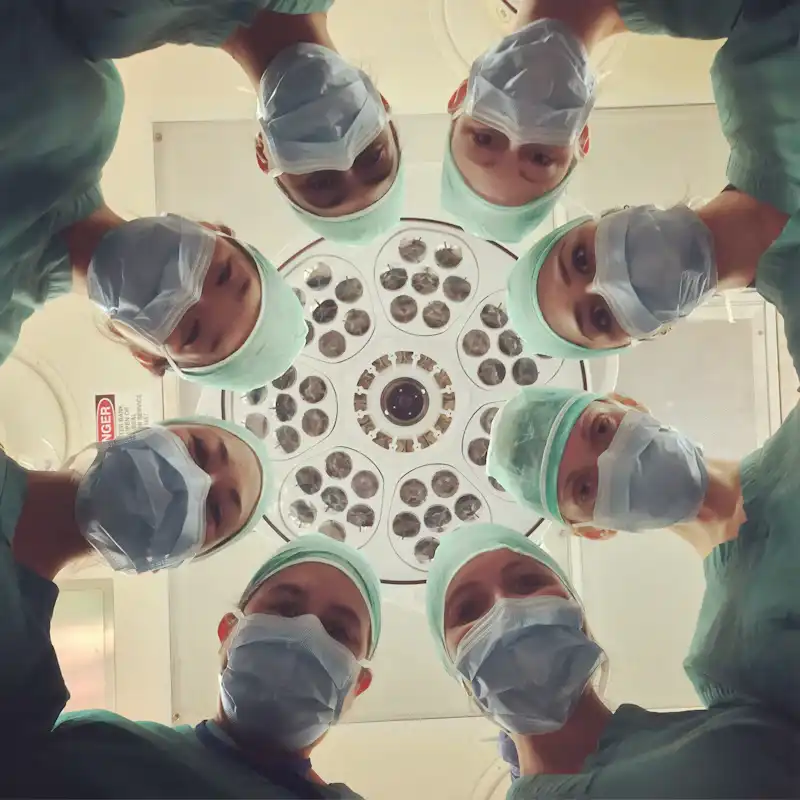
Medical and Hemato-Oncology is specialized branch of cancer care dedicated to the prevention, diagnosis, and treatment of cancer and blood disorders. Our team provides comprehensive, personalized care for patients with any kind of cancer such as head & neck cancers, breast cancer, lung cancer, gastrointestinal cancers, liver cancers, gynaecological cancer, prostate cancer, kidney & urinary bladder cancer, as well as blood cancers including leukemias, lymphoma, and myeloma.
Modern cancer treatment goes far beyond traditional chemotherapy. Depending on the type and stage of disease, treatment may include chemotherapy, hormonal therapy, targeted therapy, immunotherapy, or a combination of these approaches. Every treatment plan is carefully tailored to achieve the best possible outcomes while maintaining quality of life.
At Rajkot Cancer Society, Shree Nathalal Parekh Cancer Institute, we believe in delivering compassionate, evidence-based care with a multidisciplinary approach, ensuring that every patient receives the right treatment, at the right time, with dignity and hope.
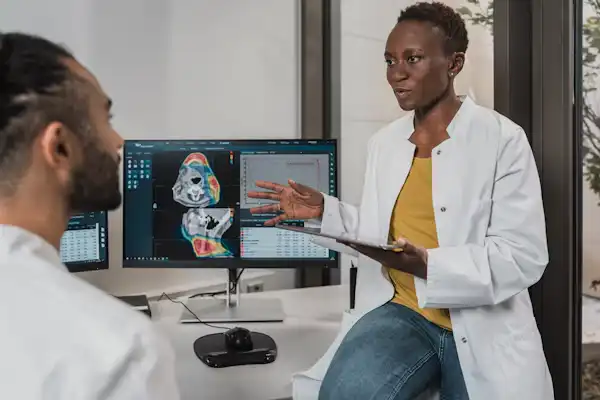
Head and neck cancers develop in areas such as the mouth, tongue, throat, voice box, and other nearby structures.
Tobacco use, smoking, alcohol consumption, and certain viral infections can increase the risk. Early symptoms may include a persistent mouth ulcer, difficulty swallowing, voice changes, or a lump in the neck.
Breast cancer develops when cells in the breast grow abnormally and form a tumour.
It can affect both women and men, although it is much more common in women. Early detection through awareness, timely medical evaluation, and appropriate screening can improve treatment outcomes.
Lung cancer develops when abnormal cells grow uncontrollably in the lungs and may spread to other parts of the body.
Smoking is a major risk factor, although lung cancer can also occur in people who have never smoked. Persistent cough, coughing up blood, breathlessness, chest pain, or unexplained weight loss should be medically evaluated.
Liver cancer develops when abnormal cells grow in the liver, an organ that helps digest food, process nutrients, and remove harmful substances from the blood.
Chronic hepatitis B or C infection, liver cirrhosis, and certain metabolic liver diseases can increase the risk. Early diagnosis and individualised treatment planning are important for better outcomes.
Intestinal and stomach cancers develop when abnormal cells grow in the digestive tract, including the stomach, small intestine, or large intestine (colon and rectum).
Symptoms may include persistent abdominal discomfort, changes in bowel habits, blood in the stool, unexplained anaemia, or weight loss. Early evaluation of persistent symptoms and appropriate screening can help detect these cancers at an earlier stage.
Kidney cancer develops when abnormal cells grow in one or both kidneys, which help filter waste and excess fluid from the blood.
Some people have no symptoms in the early stages, while others may notice blood in the urine, persistent pain in the side or back, or an abdominal lump. Early diagnosis allows timely assessment and appropriate treatment.
Bladder cancer develops when abnormal cells grow in the lining of the urinary bladder, the organ that stores urine.
Blood in the urine, even without pain, is an important warning sign that should never be ignored. Smoking is a major risk factor, and timely evaluation can help identify the disease and guide treatment.
Gynaecological cancers affect the female reproductive organs, including the cervix, uterus, ovaries, vagina, and vulva.
Symptoms may include abnormal vaginal bleeding, persistent abdominal bloating, pelvic pain, or unusual discharge, depending on the type of cancer. Regular cervical screening, HPV vaccination, awareness of symptoms, and timely medical consultation can help reduce risk or support early diagnosis.
Testicular cancer develops when abnormal cells grow in one or both testicles, which produce sperm and male hormones.
It often affects younger men and may present as a painless lump, swelling, heaviness, or discomfort in the scrotum. Any new testicular lump or change in size should be evaluated promptly by a doctor.
Prostate cancer develops in the prostate gland, a small gland in men that helps produce seminal fluid.
The risk increases with age, and early prostate cancer may not cause noticeable symptoms. Urinary difficulties, blood in the urine, or persistent bone pain require medical evaluation, while screening decisions should be discussed with a healthcare professional.
Bone cancer develops when abnormal cells grow in the bone, while some cancers affecting bones have spread from other organs.
Symptoms may include persistent bone pain, swelling, or a lump, sometimes accompanied by a fracture after a minor injury. Prompt evaluation of persistent or unexplained symptoms helps establish the diagnosis and determine the most appropriate treatment.
Brain tumours develop when abnormal cells grow in or around the brain.
They may be benign (non-cancerous) or malignant (cancerous), and their effects depend on their size, location, and type. Symptoms may include persistent headaches, seizures, vision changes, weakness, or problems with balance and speech; early medical evaluation is important.
Skin and soft tissue cancers develop in the skin or in tissues such as muscles, fat, connective tissue, and blood vessels.
Some skin cancers are associated with excessive ultraviolet (UV) exposure, while soft tissue sarcomas can develop in different parts of the body and often have no clear cause. Warning signs may include a changing mole, a non-healing skin lesion, or a growing lump beneath the skin that should be evaluated by a doctor.
State-of-the-art facilities and advanced treatments tailored to your specific needs, delivered by our expert oncology team.
Treatment guided by internationally accepted protocols and the latest scientific evidence.
Tailored treatment strategies based on disease characteristics, patient needs, and treatment goals.
Safe, efficient, and comfortable administration of systemic cancer therapies in a specialized setting.
Access to comprehensive pathology, molecular diagnostics, and imaging services for accurate diagnosis and treatment planning.
Compassionate, holistic care focused on clinical outcomes, quality of life, and patient experience.
Round-the-clock support for cancer-related emergencies and treatment complications.
Specialized critical care support for patients with complex oncological conditions.
Collaborative case discussions involving multiple specialists to ensure protocol-driven, consensus-based treatment decisions.
Availability of advanced targeted therapies, immunotherapies, precision oncology approaches, and selected clinical trial opportunities.
Coordinated support from diagnosis and treatment through survivorship, rehabilitation, and palliative care.
Treatment guided by internationally accepted protocols and the latest scientific evidence.
Tailored treatment strategies based on disease characteristics, patient needs, and treatment goals.
Safe, efficient, and comfortable administration of systemic cancer therapies in a specialized setting.
Access to comprehensive pathology, molecular diagnostics, and imaging services for accurate diagnosis and treatment planning.
Compassionate, holistic care focused on clinical outcomes, quality of life, and patient experience.
Our comprehensive approach ensures every aspect of your cancer journey is covered with care and precision.

For individuals and families with inherited cancer risk.
for timely diagnosis and improved outcomes.
to reduce the risk of certain cancers.
with the goal of complete disease eradication whenever feasible.
focused on disease control, symptom relief, and quality of life.
Across all stages of cancer care.
Plans utilizing chemotherapy, targeted therapy, immunotherapy, and hormonal therapy.
through coordinated tumor board discussions.
from prevention and diagnosis to treatment, survivorship, and supportive care.
emphasizing compassion, safety, and evidence-based treatment.

committed to serving all sections of society.
designed around the unique needs of cancer patients and their families.
to ensure the best possible treatment experience.
empowering families throughout the cancer journey.
Our commitment to your well-being continues long after the treatment ends. We provide comprehensive support for a smooth recovery.
Find answers to the most common questions about cancer treatment, care, and recovery.
Chemotherapy medicines destroy cancer cells or stop them from growing. It may be given alone or in combination with surgery, radiation therapy, targeted therapy, or immunotherapy.
Targeted therapy attacks specific molecules or pathways that help cancer grow, while immunotherapy helps the body’s immune system recognize and fight cancer cells more effectively.
Not all cancer treatments cause hair loss. Whether hair loss occurs depends on the type of treatment being given. Your oncologist will explain the expected side effects before starting therapy.
Many cancers can be cured, especially when diagnosed and treated early. Even when a cure is not possible, modern treatments can often control the disease, prolong survival, and improve quality of life.
Treatment duration varies depending on the type and stage of cancer, treatment goals, and individual patient factors. It may range from a few weeks to several months or longer.
Patients are advised to maintain good hygiene, follow dietary recommendations, take medications as prescribed, stay well hydrated, and promptly report symptoms such as fever, bleeding, or severe side effects.
Yes. Many blood cancers such as leukaemia, lymphoma and multiple myeloma are treatable. Treatment options may include chemotherapy, targeted therapy, immunotherapy, and bone marrow transplantation in selected cases.
Contact your healthcare team immediately if you develop fever, chills, shortness of breath, uncontrolled vomiting, severe diarrhoea, unusual bleeding, sudden swelling, severe pain, or any new concerning symptoms.
Many patients are able to continue their routine activities, work, and social engagements during treatment. However, activity levels may need to be adjusted depending on the treatment type and individual tolerance.
Every cancer is unique. Our oncology team carefully evaluates the type, stage, molecular profile, and overall health of each patient to develop a personalized treatment plan.
Yes. Seeking a second opinion is often helpful and can provide additional clarity and confidence in treatment decisions.
Most cancer treatments are not painful, although some side effects may occur. Our team focuses on proactive symptom management and supportive care to keep patients as comfortable as possible throughout treatment.
Early consultation can help patients understand their diagnosis, explore all appropriate and available treatment options, and avoid unnecessary delays in starting the right treatment.




Rajkot Cancer Society – Shree Nathalal Parekh Cancer Institute is a hospital dedicated exclusively to comprehensive cancer care. Our multidisciplinary team brings together Medical Oncology, Surgical Oncology, Pediatric Oncology, Radiation & Radiation Oncology, and Onco-Pathology under one roof.
Every patient benefits from multidisciplinary Tumor Board discussions, advanced diagnostic and treatment technologies, access to latest evidence-based therapies and clinical trials, and a personalized treatment approach tailored to their cancer, medical condition, and individual needs.
From diagnosis and treatment to supportive care and survivorship, our aim is to provide comprehensive, compassionate, accessible, and patient-centered cancer care at every step.





Medical Oncology Department Head

Senior Medical Oncologist

Consultant Medical Oncologist

Medical Hematologist BMT Consultant

Consultant – Pediatric Medical Haematologist BMT Consultant