

Integrated, Multidisciplinary
Cancer Care Ecosystem
Rajkot Cancer Society delivers comprehensive oncologic care across prevention, early diagnosis, definitive treatment, rehabilitation, palliative care and survivorship — unified by evidence-based practice and ethical decision-making.
Our clinical programs are designed to ensure seamless coordination across specialties, enabling timely interventions and continuity throughout the patient’s treatment journey.
Core Clinical Strengths
Multidisciplinary Management
Coordinated surgical, medical & radiation oncology services
Evidence-Based Pathways
Care aligned with internationally accepted clinical guidelines
Organ Preservation & Quality of Life
Focus on functional outcomes and patient well-being
Supportive & Palliative Care
Integrated supportive services across all stages of care
Survivorship Planning
Structured follow-up, surveillance and rehabilitation
Not-for-Profit Tertiary Care
Accessible, equitable care with institutional accountability
Specialized Oncology Programs
This integrated model ensures patients receive coordinated, compassionate cancer care supported by clinical expertise, accountability, and continuous quality improvement.
Head & Neck Oncology
Rajkot Cancer Society
The Head and Neck Oncology Department at Rajkot Cancer Society provides comprehensive, evidence-based care for cancers affecting the oral cavity, throat, larynx, salivary glands, nasal cavity, paranasal sinuses, thyroid, and related structures.
As part of a not-for-profit tertiary cancer care institution, the department is committed to timely diagnosis, precise treatment, and compassionate care, with outcomes aligned to international oncology standards.
Our approach emphasizes early detection, organ preservation where feasible, functional rehabilitation, and long-term survivorship. Each patient’s care pathway is individualized through multidisciplinary evaluation, ensuring ethical and balanced clinical decision-making.
Services Offered
- Comprehensive evaluation and staging of head and neck cancers
- Surgical oncology for early and advanced-stage disease
- Organ-preservation strategies with medical and radiation oncology
- Thyroid and salivary gland cancer management
- Reconstructive and rehabilitative planning
- Pre-treatment counseling and risk assessment
- Post-treatment surveillance and survivorship care
- Palliative and supportive care integration when indicated
Key Procedures & Post-Care Know-How
Comprehensive surgical expertise combined with structured post-treatment care ensures optimal functional outcomes and long-term quality of life.
Key Procedures
- Surgery for oral cavity, oropharyngeal, hypopharyngeal and laryngeal cancers
- Neck dissection for regional lymph node management
- Thyroidectomy and salivary gland surgeries
- Biopsy and diagnostic surgical procedures
- Reconstructive procedures supporting speech, swallowing and appearance
Post-Care Know-How
- Structured post-operative monitoring and wound care
- Speech and swallowing rehabilitation guidance
- Nutritional assessment and dietary planning
- Pain management and symptom control
- Education on long-term follow-up and recurrence surveillance
- Coordination with rehabilitation, dental and supportive care services
Key Highlights
Comprehensive, compassionate, and evidence-driven cancer care delivered under one trusted institution.
Multidisciplinary Care
Integrated management under one institution ensuring coordinated decision-making.
Evidence-Based Treatment
Therapies aligned with international guidelines and best practices.
Specialized Surgical Expertise
Organ-preservation focused surgeries by experienced oncology specialists.
Reconstructive & Rehabilitation Care
Integrated pathways supporting functional and aesthetic recovery.
Survivorship & Follow-Up
Structured post-treatment monitoring and long-term survivorship care.
Not-for-Profit Care Model
Patient-first care delivered within a not-for-profit tertiary cancer center.
The department is led by experienced surgical oncologists with specialized training in head and neck cancers and is supported by a dedicated multidisciplinary team. This includes medical oncologists, radiation oncologists, pathologists, radiologists, anesthesiologists, oncology nurses, speech and swallowing therapists, nutritionists, and palliative care specialists.
Regular multidisciplinary tumor board discussions ensure that each case benefits from collective expertise and consensus-driven treatment planning.


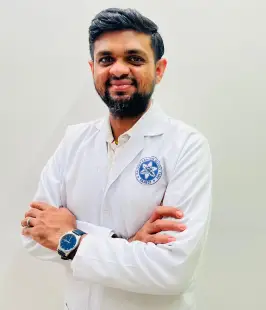


Dr. Maharshi Trivedi
Consultant – Pediatric Hematology, Oncology & Bone Marrow Transplant

Dr. Shivani Shah
Speciality Anaesthetist

Dr. Keval Kalavadia
Medical Oncology & Hematology Speciality Medicine

Dr. Dhaval Baraiya
Speciality Plastic & Microvascular Surgeon

Dr. Coral Rawal
Fellowhip In Oncopathology Speciality Pathology

Dr. Nirali Chandan
Clinical Hematology Speciality Medicine

Dr. Yash Shah
Speciality Radio Diagnosis

Dr. Purvik Makadia
Speciality Radio Diagnosis

Dr. Yatin Savsani
Onco Critical Care Specailist & Intensivist
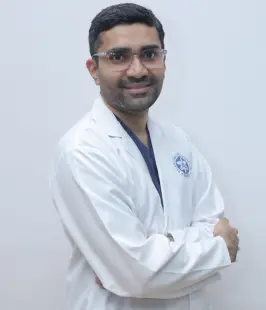
Dr. Bhavin Madhani
Head and Neck Oncology Surgeon (FHNO)
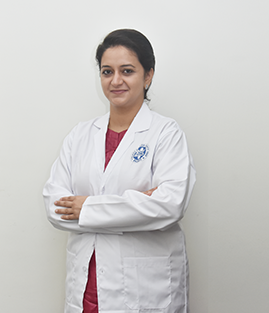
Dr. Khyati Vasavada
Medical Director / Surgical Oncologist
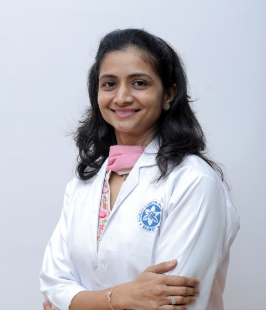
Dr. Nisha Ghodasara
Dept. of Onco-Radiology
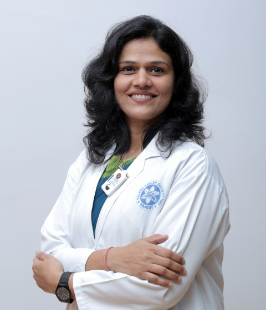
Dr. Divya Singh
Dept. of Onco-Radiology
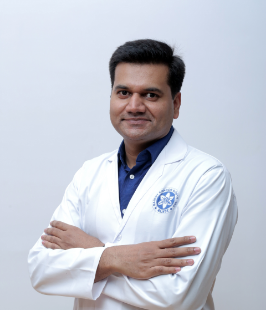
Dr. Rakesh Dhadhal
Head of Dept. (Onco-Pathology)
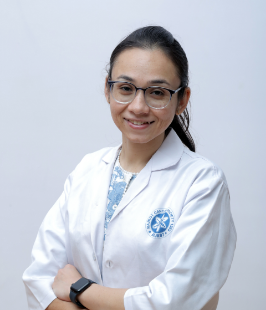
Dr. Pooja Tanna
Dept. of Medical Oncology
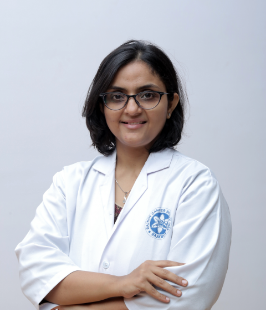
Dr. Aditi Thanky
Dept. of Medical Oncology
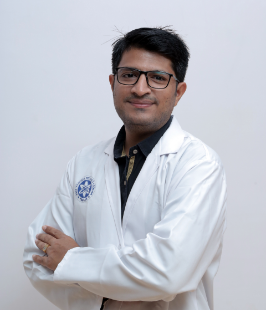
Dr. Nirav Sirja
Dept. of Anesthesiology
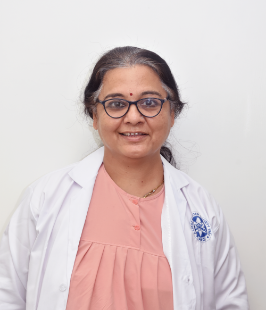
Dr. Heena Ashar
Dept. of Anesthesiology
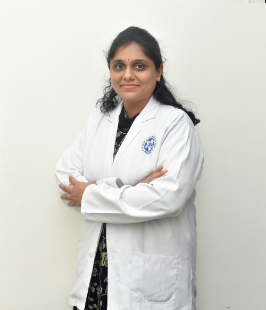
Dr. Chandani shah
Dept. of Radiation Oncology
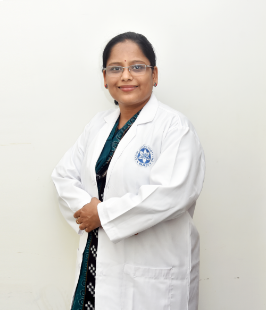
Dr. Debadipti Pradhan
Dept. of Radiation Oncology
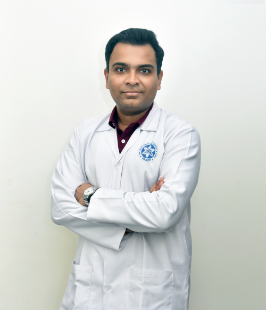
Dr. Nishant Madhani
Dept. of Radiation Oncology
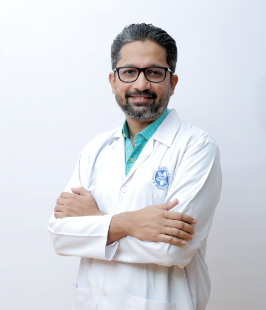
Dr. Shreyas Dholaria
Surgical Oncology
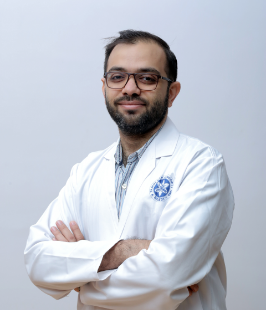
Dr. Harsh Thanky
Surgical Oncology

Dr. Hardik Patel
D.N.B. Radiation Oncology
Frequently Asked Questions
Clear answers to common questions about consultation, treatment planning and care coordination in Head & Neck Oncology.
Self-Assessment & When to Approach Us
Early consultation leads to simpler treatment and better outcomes. Recognizing early warning signs and acting promptly can save lives.
Awareness
Understanding cancer risks and symptoms
Notice Symptoms
Identify early warning signs
Seek Evaluation
Consult a cancer specialist
Early Diagnosis
Accurate and timely diagnosis
Treatment
Personalized cancer care plan
Recovery
Follow-up & long-term care
These guides are not diagnostic tools. Do not delay consultation due to fear or uncertainty.
Head & Neck Cancer Self-Check
Identify early warning signs. If symptoms last longer than two weeks, consult a specialist.
Mouth
- Non-healing ulcer or sore
- White or red patches
- Pain, burning, or numbness
- Loosening of teeth
Tongue & Floor of Mouth
- Lump or thickening
- Restricted movement
- Persistent pain
Throat (Oropharynx)
- Pain or difficulty swallowing
- Feeling of obstruction
- Recurrent sore throat
Voice Box (Larynx)
- Persistent hoarseness
- Voice changes
Neck
- Lump or swelling
- Painless nodes
- Increasing size
Not a diagnostic tool. Tobacco and alcohol use increase risk. Early consultation allows simpler treatment and better recovery